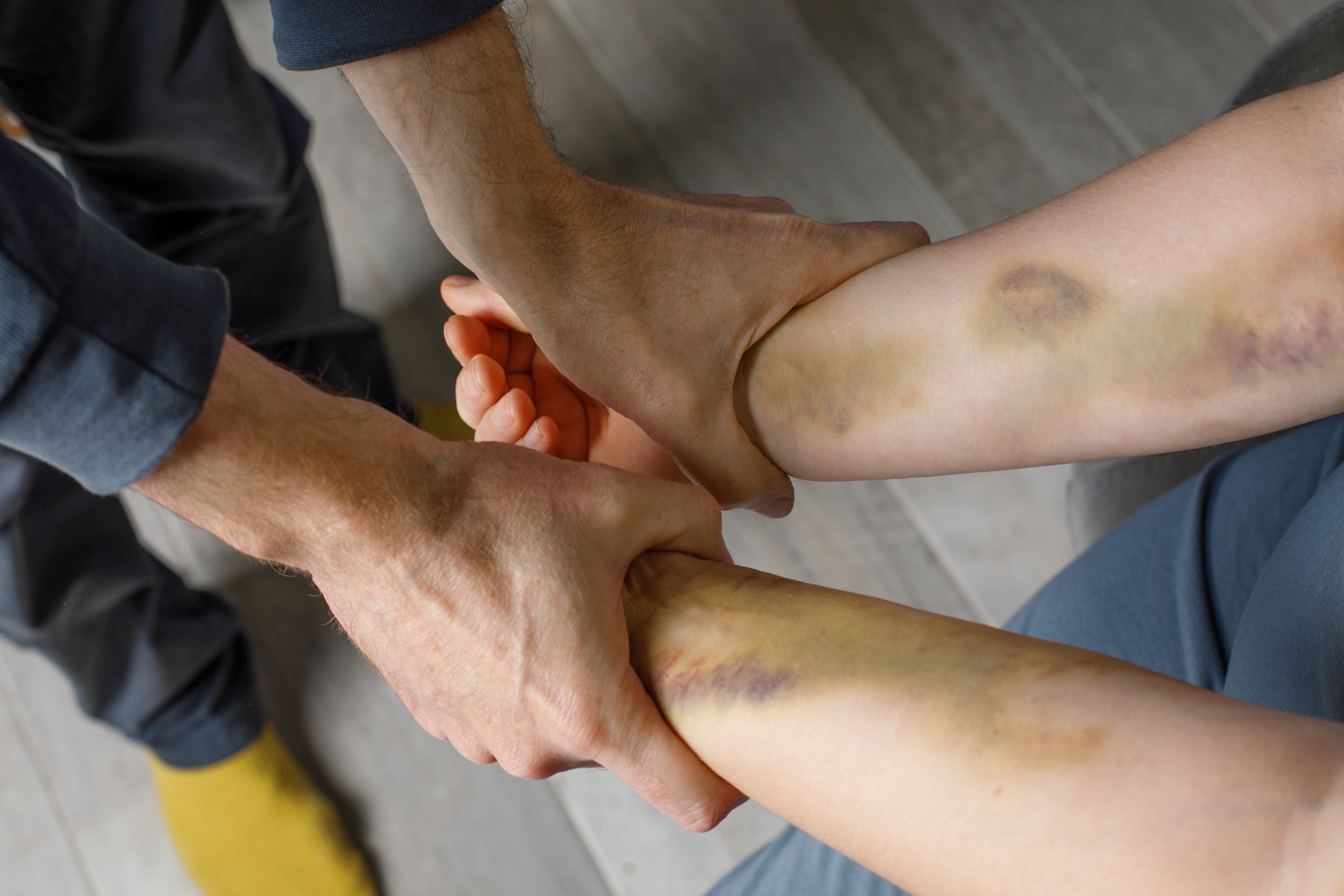
Child abuse crimes in Tulsa County are among the most serious criminal charges a person can face in Oklahoma. These cases can affect your freedom, family, employment, reputation, parental rights, and future. Even before a conviction, a child abuse allegation may lead to arrest, bond restrictions, no-contact orders, DHS involvement, protective orders, and damage to a person’s standing in the community. Because child abuse cases involve children, injuries, family relationships, and emotional facts, they are often prosecuted aggressively. However, an accusation is not the same thing as proof.
Child Abuse Is a Felony in Oklahoma
Oklahoma law makes willful or malicious child abuse a felony. The prosecution must show more than a parenting mistake, accident, misunderstanding, or poor judgment. The State must prove that the accused engaged in conduct that meets the legal definition of child abuse under Oklahoma law.
Child abuse allegations may involve physical injury, unreasonable force, excessive discipline, harm or threatened harm, unsafe conditions, or failure to protect a child from harm. These cases may involve parents, stepparents, guardians, relatives, babysitters, household members, or other people responsible for the child’s health, safety, or welfare.
Possible Punishment for Child Abuse
The punishment for felony child abuse in Oklahoma can be severe. A person convicted of child abuse may face imprisonment in the custody of the Oklahoma Department of Corrections for up to life, imprisonment in the county jail for up to one year, a fine of not less than $500 and not more than $5,000, or both fine and imprisonment.
The sentence in a particular Tulsa County case depends on the facts. Courts may consider the child’s age, the severity of the alleged injury, whether medical treatment was required, whether the conduct was repeated, whether the accused has a prior record, whether other charges are filed, and whether the case is resolved by plea, dismissal, or trial.
Child Abuse and the 85% Rule
Child abuse is also serious because it is an 85% crime in Oklahoma. This means a person convicted of child abuse may be required to serve at least 85% of the sentence before becoming eligible for parole. Earned credits generally cannot reduce the sentence below that 85% requirement.
This rule can make a prison sentence much more serious in real time. For example, a ten-year sentence on an 85% crime is very different from a ten-year sentence on a non-85% offense. Before accepting any plea agreement, a defendant should understand whether the charge carries 85% consequences and what that means for actual time in custody.
Related Child Abuse Charges
Child abuse cases may involve more than one charge. Depending on the facts, the State may also file child neglect, enabling child abuse, child endangerment, domestic assault and battery, assault and battery with a dangerous weapon, kidnapping, failure to protect, or other related crimes.
Oklahoma law also separately punishes enabling child abuse by a person responsible for a child’s health, safety, or welfare. That offense can also carry punishment up to life imprisonment, county jail time, fines, or both fine and imprisonment.
DHS and the Criminal Case May Overlap
A child abuse allegation may create both a criminal case and a DHS investigation. DHS may interview parents, children, relatives, teachers, doctors, and other witnesses. Law enforcement may conduct a separate criminal investigation. Statements made in one investigation may affect the other.
This overlap can be dangerous for the accused. A person may want to explain what happened to protect their parental rights, but those statements can later be used in the criminal case. Anyone under investigation for child abuse should speak with a defense attorney before making detailed statements.
Factors That Affect Sentencing
Sentencing in a Tulsa County child abuse case can depend on many factors. The court may consider whether the alleged injury was minor or severe, whether the child required hospitalization, whether the child was especially young or vulnerable, whether the accused accepted responsibility, whether there are treatment or counseling options, and whether the accused has prior convictions.
The prosecution may rely on photographs, medical records, school records, DHS records, witness statements, police reports, body camera footage, and statements from the child. The defense may focus on medical explanations, inconsistent statements, accident, reasonable discipline, lack of intent, false allegations, or failure to prove causation.
Defenses to Child Abuse Charges
A child abuse accusation can be defended in several ways, depending on the facts. Possible defenses may include accident, lack of willful or malicious conduct, reasonable parental discipline, false accusation, mistaken identity, unreliable statements, medical explanation for injuries, lack of causation, constitutional violations, or insufficient evidence.
Medical evidence is often critical. Bruises, fractures, burns, head injuries, and other alleged injuries may have more than one possible explanation. A defense attorney may need to review medical records, consult experts, examine the timeline, and determine whether the physical evidence supports or contradicts the accusation.
Talk to a Tulsa County Child Abuse Defense Attorney
Child abuse crimes and punishment in Tulsa County can involve felony charges, possible prison time, county jail time, fines, 85% sentencing consequences, DHS involvement, and long-term damage to family and employment. These cases require immediate and careful attention. A lawyer can review the charge, examine medical evidence, protect your rights, address DHS-related issues, and develop a defense based on the facts of the case. Get a Free consultation from a Tulsa County Lawyers Group attorney by calling 918.379.4864. Or you can ask an online question by following this link.