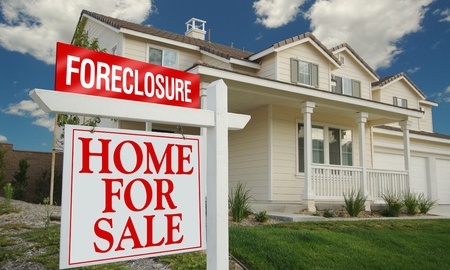
One of the biggest concerns for homeowners considering bankruptcy in Oklahoma is whether filing for Chapter 7 means losing their most important asset—their home. The good news is that Oklahoma’s exemption laws are among the most generous in the country, and in most cases they allow you to keep your home even while other unsecured debts are discharged.
What Bankruptcy Exemptions Do
Bankruptcy exemptions are legal protections that allow you to shield certain property from sale by a Chapter 7 trustee. When you file Chapter 7 bankruptcy, a trustee may liquidate non-exempt assets to pay creditors. Exemptions, however, protect specified property from that process.
In Oklahoma, debtors generally use the state’s exemption system rather than federal exemptions, and the homestead exemption—the rule that protects your home—is often the most valuable.
Homestead Exemption: Protecting Your Home Equity
The homestead exemption in Oklahoma allows you to protect the equity in your primary residence when you file for Chapter 7. Unlike many states that cap homestead protection at a specific dollar amount, Oklahoma provides unlimited homestead protection as long as the home qualifies and certain conditions are met. This means that so long as the requirements are satisfied, the trustee cannot use your home equity to pay unsecured creditors.
To qualify for this exemption, the home must be your principal residence at the time you file bankruptcy. Oklahoma law generally exempts the home, regardless of its value, if it sits on up to one acre of land in town or up to 160 acres in a rural area.
However, there are important limitations. If more than 25% of your home’s total square footage is used for business purposes, only a part of the exemption may apply, typically limited to a small dollar amount rather than unlimited protection.
Timing and Eligibility Rules
Like all states, Oklahoma applies certain residency and timing requirements. Federal bankruptcy law sets rules that can affect how the homestead exemption applies. One such rule requires that a debtor live in the state for a specified period (often at least two years) before filing to use that state’s exemptions, though exceptions may apply based on domicile history.
Additionally, federal law (under the Bankruptcy Abuse Prevention and Consumer Protection Act) includes a provision that may limit the homestead exemption if you added substantial value to your home shortly before filing or moved to the state only to take advantage of more favorable exemptions.
Practical Effect in a Chapter 7 Case
In a typical Chapter 7 case, the trustee inventories your assets and determines whether any non-exempt property can pay creditors. If your home qualifies under the Oklahoma homestead exemption, the trustee usually cannot sell your house or use your equity to pay unsecured debts. This is true even if you have substantial equity, so long as the home is your primary residence and does not violate the business-use limit.
This exemption does not, however, stop a mortgage lender from foreclosing on your home if you are behind on payments. The bankruptcy filing may temporarily delay foreclosure through the automatic stay, but bankruptcy itself does not permanently prevent lenders from enforcing their liens if you cannot cure arrears.
Other Exemptions That Help Preserve Your Assets
In addition to the homestead exemption, Oklahoma law protects a range of other property in Chapter 7:
- Equity in one motor vehicle, up to a statutory limit (often around $7,500).
- Household goods, furniture, and personal belongings.
- Clothing up to a statutory value.
- Retirement accounts and qualified pension plans.
- Certain personal injury recoveries and other specified items.
Taken together with the homestead exemption, these protections often allow Chapter 7 filers to retain the property they need to maintain a normal family life while discharging unsecured debts.
Choosing Between Chapter 7 and Chapter 13
Although Chapter 7 can protect your home equity through the homestead exemption, some homeowners choose Chapter 13 bankruptcy instead if they are behind on mortgage payments. Chapter 13 allows you to repay arrears over a plan lasting three to five years while keeping your home, something not possible in Chapter 7 if you’re significantly in default.
Whether Chapter 7 or Chapter 13 is right for you depends on your overall financial picture, including income, mortgage status, and other assets.
Tulsa Bankruptcy Lawyers
Oklahoma’s bankruptcy exemption system in 2026 remains highly favorable to homeowners. The state’s unlimited homestead exemption (subject to acreage and business use limits) typically allows you to protect your home equity in a Chapter 7 case. When combined with protections for vehicles, household goods, retirement accounts, and more, most filers are able to keep essential property while discharging unsecured debts. Get a Free consultation from a Tulsa County Lawyers Group bankruptcy attorney by calling 918.379.4864. Or you can ask an online bankruptcy question by following this link.